From Ageing Equipment to Modern Cooling: Planning an AC Upgrade
Replacing an older air conditioning system is a decision that can make a noticeable difference in how a home feels during the warmer months. As equipment ages, it may need more frequent repairs, take longer to cool rooms, or struggle to maintain a comfortable temperature. An upgrade can also be a chance to address problems that have developed over the years, such as poor airflow, uneven cooling, or an outdated thermostat.
Planning an AC upgrade involves more than choosing a new unit based on its size or price. Homeowners should consider the condition of the existing system, the cooling needs of the property, the ductwork, efficiency ratings, and installation requirements. For homeowners considering AC replacement in Cedar Rapids, taking time to assess these factors can help create a cooling system that works well for the home rather than simply replacing one piece of equipment with another.
Know When Your Current AC Is Ready to Be Replaced
Age is one of the clearest factors to consider when evaluating an air conditioner. Older systems often become less reliable as major components wear out, even when they still appear to be working. A unit that needs repeated repairs, produces unusual noises, or struggles to keep the house cool may be approaching the point where replacement makes more sense than continued repairs.
Rising energy use can also be a warning sign. If cooling costs have gradually increased without a major change in household habits, an ageing system may be working harder than it should. For example, an air conditioner that once cooled the home quickly but now runs for long periods may have declining performance or another underlying problem.
Look at the Home Before Choosing New Equipment
A new AC system should match the home’s current cooling requirements. The size of the property matters, but square footage alone doesn’t tell the whole story. Insulation, window placement, ceiling height, sun exposure, the number of occupants, and the condition of the ductwork can all affect how much cooling a home needs.
Changes made to the house since the original AC was installed should also be considered. A finished basement, home addition, upgraded insulation, or replacement windows can change the home’s heating and cooling load. Installing a new system without accounting for these changes could result in equipment that is poorly matched to the property.
Pay Attention to System Sizing
Choosing the correct cooling capacity is one of the most important parts of an AC upgrade. A system that is too small may run continuously while still struggling to reach the thermostat setting. This can increase wear and make the home feel uncomfortable during periods of high outdoor temperatures.
Read More: Complete Asphalt Services Utah for Residential and Commercial Properties
Oversized equipment can create a different set of problems. An oversized AC may cool the air quickly but shut off before it has enough time to properly remove humidity. Frequent starting and stopping can also put additional stress on the system. Proper sizing should therefore be based on the home’s actual cooling load rather than simply replacing an old unit with one of a similar capacity.
Check the Ductwork and Airflow
Replacing the outdoor and indoor equipment doesn’t automatically solve every cooling problem. Ductwork plays a major role in moving conditioned air throughout the house, and damaged, poorly sealed, or restricted ducts can reduce the benefits of a new system.
For instance, if bedrooms consistently feel warmer than the living room, the problem may involve airflow rather than the AC unit itself. Leaky ducts can also allow cooled air to escape before it reaches the rooms where it is needed. During an upgrade, checking the duct system can help identify these issues before they affect the performance of the new equipment.
Consider Efficiency Alongside Performance
Energy efficiency is another important consideration when replacing an older air conditioner. Modern systems can offer improved performance compared with ageing equipment, but efficiency should be considered alongside the home’s cooling needs and expected usage.
A highly efficient system that isn’t correctly sized or installed won’t necessarily perform as expected. Homeowners should look at the equipment’s efficiency rating, expected operating conditions, and how well the system fits the property. A properly matched system can provide reliable cooling without requiring unnecessary energy to maintain comfortable indoor temperatures.
Think About Thermostat and Control Options
An AC replacement can also be a good opportunity to update the way the system is controlled. Older thermostats may provide only basic temperature settings, while newer controls can offer more precise scheduling and temperature management.
For example, a homeowner who spends much of the day away from home may benefit from a schedule that reduces cooling during unoccupied hours and restores a comfortable setting before returning. Better control over the system can help avoid unnecessary cooling while keeping the home comfortable when it matters most.
Prepare for the Installation Process
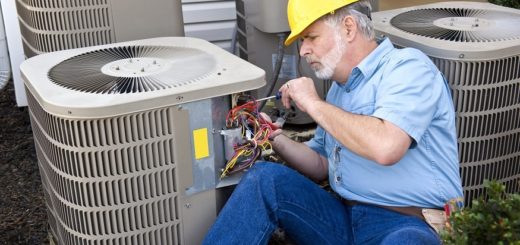
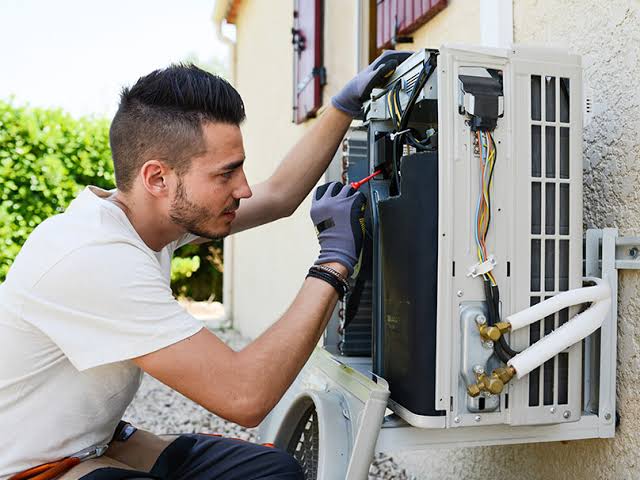
Planning the installation itself is just as important as choosing the equipment. The existing system will need to be removed, and the new equipment must be installed, connected, tested, and adjusted correctly. Depending on the property, additional work may be needed around electrical connections, refrigerant lines, drainage, ductwork, or the equipment location.
Read More: How CPVC Solvent Cement Creates Strong and Leak-Proof Pipe Joints?
Homeowners should also think about the timing of the project. Replacing an AC before the existing system fails completely can make the process easier to plan. It gives you time to compare suitable options, arrange installation, and address other cooling issues without waiting for an emergency breakdown during a hot spell.
Make the Upgrade Work for the Whole Home
An AC replacement is a chance to look at the cooling system as a complete setup rather than focusing only on the new equipment. The condition of the ducts, insulation, thermostat, airflow, and electrical components can all influence how well the system performs.
A home that has always had one particularly warm room, for example, may benefit from addressing airflow during the upgrade instead of expecting the new AC alone to fix the problem. Looking at these details together can lead to more consistent temperatures and a system that is better suited to the home’s current needs.
Final Thoughts
Moving from an ageing air conditioner to a modern system is a significant home improvement, but careful planning can make the decision much easier. Start by looking at the condition and performance of the existing equipment, then consider the home’s current cooling requirements, ductwork, efficiency needs, and control options.
The goal isn’t simply to install a newer air conditioner. It’s to choose a system that fits the property and can provide dependable cooling for years to come. By considering the whole setup before installation, homeowners can avoid common sizing and airflow problems and make better use of their investment.