Water Softeners vs Descalers: What’s Right for You?
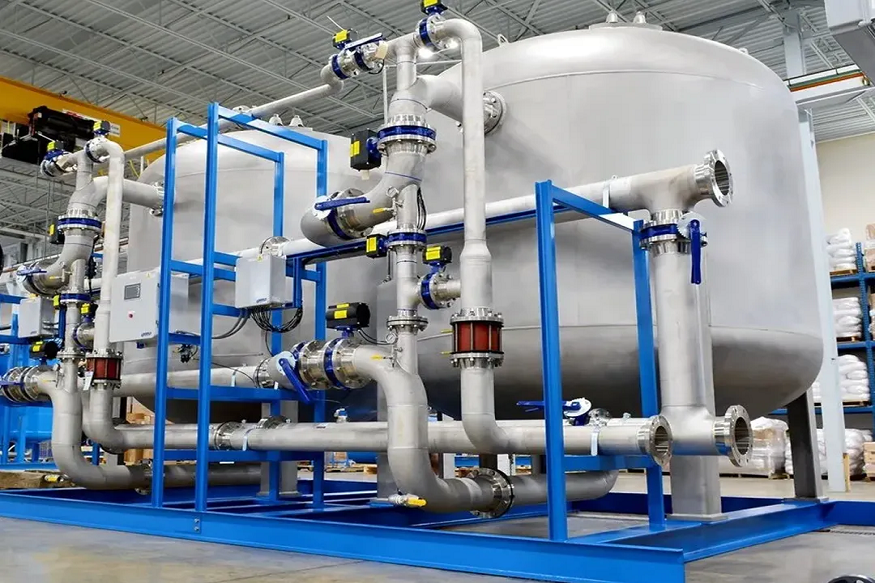 If you’re dealing with hard water at home, you’re probably noticing scale buildup in your pipes, appliances, or on your fixtures. That’s where water softeners and descalers come in, but while both aim to reduce the negative effects of hard water, they work in very different ways. Choosing between the two depends on your water hardness level, household needs, maintenance preferences, and budget. Here’s a breakdown to help you decide what’s right for you.
What Are Water Softeners?
A water softener removes minerals (mainly calcium and magnesium) through an ion‑exchange process. As water passes through a resin bed, hard ions are swapped with sodium or potassium ions, reducing scale formation downstream.
Advantages of Water Softeners
- They significantly reduce scale in internal plumbing, prolonging pipe life
- Appliances such as water heaters, dishwashers, and washing machines work more efficiently
- You’ll need less detergent and cleaning product because soap lathers better
- Reduced maintenance and repair costs in the long term
However, softeners require salt or potassium replenishment, occasional maintenance, and a higher initial cost.
What Is a Water Descaler?
Unlike softeners, descalers do not remove hardness causing minerals. Instead, they condition water by preventing those minerals from adhering as scale to surfaces.
Advantages of Descalers
- No salt, electricity or backwashing required
- Lower upfront and running costs
- Useful for moderate hardness levels where full softening isn’t necessary
- Minimal maintenance
But because descalers do not remove minerals, they cannot deliver all the benefits of soft water, such as improved soap performance or scale removal inside appliances.
How to Choose: Softener or Descaler?
1. Water Hardness Level
If your water hardness is high (e.g. from borewells, hard municipal supply), a full softener is more effective. For moderate hardness, a descaler may be sufficient to reduce scale issues.
2. Appliance Protection Needs
To protect costly appliances like heat pumps, water heaters, or under sink water purifiers operating downstream, a softener is more comprehensive. It reduces internal deposits and ensures they run efficiently.
3. Maintenance Preference
If you prefer a low‑maintenance, salt‑free solution, a descaler is appealing. But if you’re fine with occasional salt topping and servicing, the benefits of a softener justify the effort.
4. Environmental & Running Costs
Descalers have lower running costs and no salt discharge. Softeners require salt and occasional servicing, which adds to the cost, but the long-term savings in appliance lifespan and efficiency often make up for it.
Softening vs Purification: How They Work Together
Water softeners and descalers tackle hardness and scale, but they don’t clean the water itself. To remove germs and harmful substances, you still need a good water purifier. Using both means you get water that’s safe to drink and easy on your appliances.
Conclusion
Both water softeners and descalers have their place in addressing hard water problems. Water softeners are more aggressive and thorough, while descalers offer a low-impact, maintenance-free way to mitigate scale. The right choice depends on your specific water quality, budget, health considerations, and how much effort you’re willing to invest in maintenance. Before you buy, it’s a good idea to test your water hardness and consider your household’s unique needs. With the right system in place, you’ll protect your home and improve water quality for years to come.